


Foreign-trained physicians in South Florida sometimes choose to pursue a nursing career as a streamlined way to enter the U.S. healthcare workforce and start earning a stable income sooner than if they were to wait to get relicensed as a doctor. For International Medical Graduates (IMGs), becoming a licensed physician in the United States typically involves passing multiple exams, securing a spot in a competitive residency match, and then completing three to seven years of residency training with long hours and limited schedule flexibility. The RN path offers a significantly faster route back into patient care and earning income, which can be especially advantageous for immigrants supporting families both locally and abroad.
The RN Path Can Open Doors for Foreign-Trained Physicians in South Florida
Transitioning to nursing through an Associate of Science in Nursing (ASN) program allows foreign-trained physicians to build on their existing medical knowledge while gaining the flexibility to manage school and work schedules. With exceptionally high demand for nurses throughout South Florida, Registered Nurses (RNs) find strong employment opportunities across diverse healthcare settings.
Importantly, choosing the RN path doesn’t close the door on physician licensure. IMGs can work as nurses while continuing to pursue medical licensure if they choose to do so in the future.
At FVI School of Nursing and Technology, we’ve helped numerous international medical graduates transition into nursing through our 22-month ASN program. With campuses in both Miami and Miramar, FVI provides the education, clinical training, and support that foreign-trained physicians need to prepare for the NCLEX-RN exam and pursue careers in South Florida’s thriving healthcare community.
Why IMGs Choose the RN Path
A faster, more direct route to working in U.S. healthcare
For many foreign-trained physicians, the RN pathway moves significantly faster than physician relicensing. FVI’s ASN program can be completed in 22 months, compared to the years required for USMLE exams, residency matching, and completing residency training. This timeline allows IMGs to begin earning income and rebuilding their careers in the United States sooner.
Structured education designed for working adults
FVI’s ASN program is built for students balancing jobs and family responsibilities. The program offers structured coursework with flexible scheduling options and dedicated support systems, so students can stay on track while managing real-life obligations. This makes the transition more manageable for foreign-trained doctors who may be supporting families or working while in school.
An opportunity to leverage medical training in a patient-care role
Many foreign-trained physicians choose nursing as a practical way to apply their clinical knowledge and experience in a direct patient-care role. While the scope of practice differs from that of a physician, RNs play a vital role in patient assessment, care coordination, medication administration, patient education, and advocacy. IMGs often find that their medical background gives them a strong foundation for nursing practice.
Strong and growing demand for RNs across diverse care settings
RNs remain in high demand throughout South Florida and across the United States. Nursing offers options across a wide range of settings, including inpatient hospital units, emergency departments, outpatient clinics, long-term care facilities, home health agencies, case management, telehealth, and specialized units. This flexibility can provide career stability and options for growth.
More control over location and community connections
Many IMGs prefer a path that allows them to stay rooted in their current community and near family support systems. The physician relicensing route often requires relocating for residency programs, which can last several years and may not offer geographic choice. Nursing school and RN employment provide more control over where to live and work.
A meaningful career with real impact
Foreign-trained physicians often report finding deep satisfaction in nursing, particularly through the direct patient interaction and holistic care that defines the nursing role. Many IMGs also find that their cultural understanding and language skills are highly valued in diverse South Florida communities, where bilingual healthcare providers who understand patients’ cultural backgrounds help build trust and improve patient outcomes.
Challenges Facing IMGs in the U.S.
Foreign-trained doctors cannot simply begin practicing medicine in the United States upon arrival. U.S. medical licensure requires meeting strict requirements set by state medical boards and national organizations, and the physician relicensing process generally involves more steps, higher costs, and a longer timeline than the nursing pathway.
Key challenges to physician relicensing include:
- Multi-step examination requirements: IMGs must pass the United States Medical Licensing Examination (USMLE), a multi-step exam series, and obtain certification through the Educational Commission for Foreign Medical Graduates (ECFMG). This requires credential verification, demonstrating English proficiency, and completing additional training to align with U.S. standards.
- Lengthy residency training: Even after passing exams, IMGs must complete a residency program that typically lasts three to seven years depending on the specialty. During residency, doctors face long hours and limited control over their schedules.
- Competitive matching process: Residency positions are limited, and applicants compete through the National Resident Matching Program (NRMP). For non-U.S. citizen IMGs, match rates hover around 58 percent based on recent NRMP data, meaning many qualified doctors do not secure a residency spot on their first try and may face delays of several years.
- Visa and immigration complexity: For those without U.S. citizenship or permanent residency, visa issues add another layer of difficulty, often involving restrictions such as required service in underserved areas.
The RN Path for Foreign-Trained Physicians
A medical license earned outside the U.S. does not qualify a physician to work as a nurse or to take the NCLEX-RN. State Boards of Nursing require completion of an approved nursing program, regardless of prior physician training.
The typical RN pathway includes:
- Apply to a nursing school and meet admissions requirements. Schools may require an entrance exam, an admissions interview, and proof of prior education through transcript evaluations.
- Complete an approved nursing program. Nursing programs include classroom instruction, hands-on skills training, and supervised clinical rotations. Program options include an ASN (Associate of Science in Nursing) or a BSN (Bachelor of Science in Nursing). Many foreign-trained physicians choose an ASN because it is typically shorter and more affordable than a BSN, while still qualifying graduates to pursue RN licensure.
- Take the NCLEX-RN. RN licensure requires passing the NCLEX-RN and meeting the Florida Board of Nursing requirements.
Why Miami and Miramar Are Ideal for Foreign-Trained Physicians Pursuing RN Licensure
Large immigrant communities that value cultural familiarity
Miami-Dade and Broward counties are home to strong communities from Cuba, Venezuela, Haiti, Colombia, Jamaica, Trinidad, and Central America. RNs who are bilingual and bring cultural understanding are highly valued in these environments, as they help build trust with patients and improve care outcomes. Foreign-trained physicians often find their language skills and cultural backgrounds to be significant assets in South Florida healthcare settings.
High demand for nurses
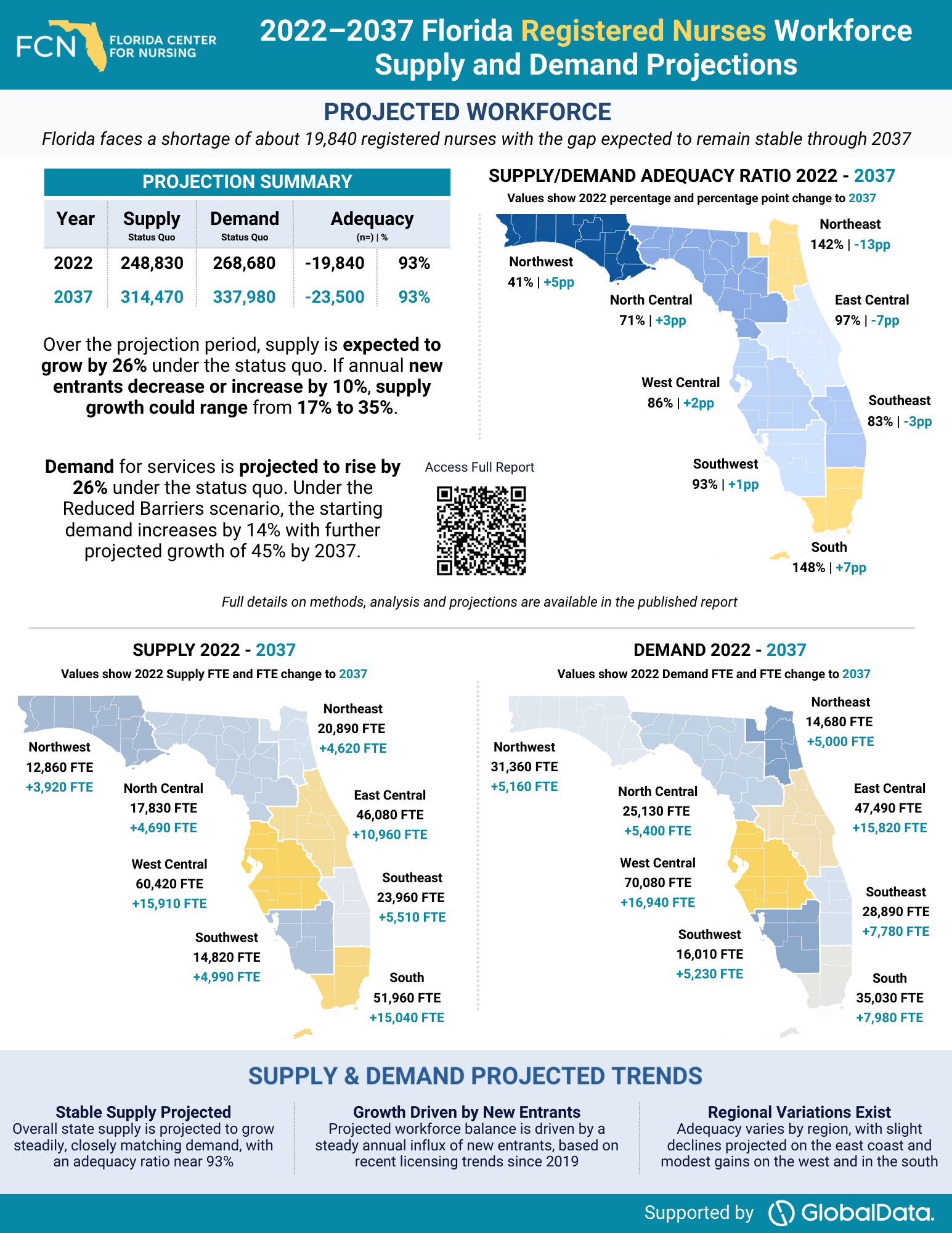
Demand for RNs in Florida is expected to grow by around 26% through 2037, far exceeding national averages, according to the Florida Center for Nursing’s 2022 to 2037 Workforce Projections Report. In South and Southeast Florida, demand is projected to increase by approximately 15,760 full-time equivalent (FTE) positions during that period. This growth is driven by an aging population and rising immigrant communities, leading to ongoing RN shortages in Miami-Dade and Broward counties.
Extensive healthcare infrastructure with diverse opportunities
South Florida’s healthcare sector includes large public and private health systems with major hospitals, specialty institutes, and extensive outpatient networks. Across Miami-Dade and Broward, health systems continue to expand through new medical centers and facility projects to keep pace with population growth and rising demand for care.
These developments create diverse roles for RNs across hospitals, emergency departments, urgent care centers, long-term care facilities, rehabilitation centers, primary care clinics, and specialty practices.
How FVI Supports International Medical Graduates
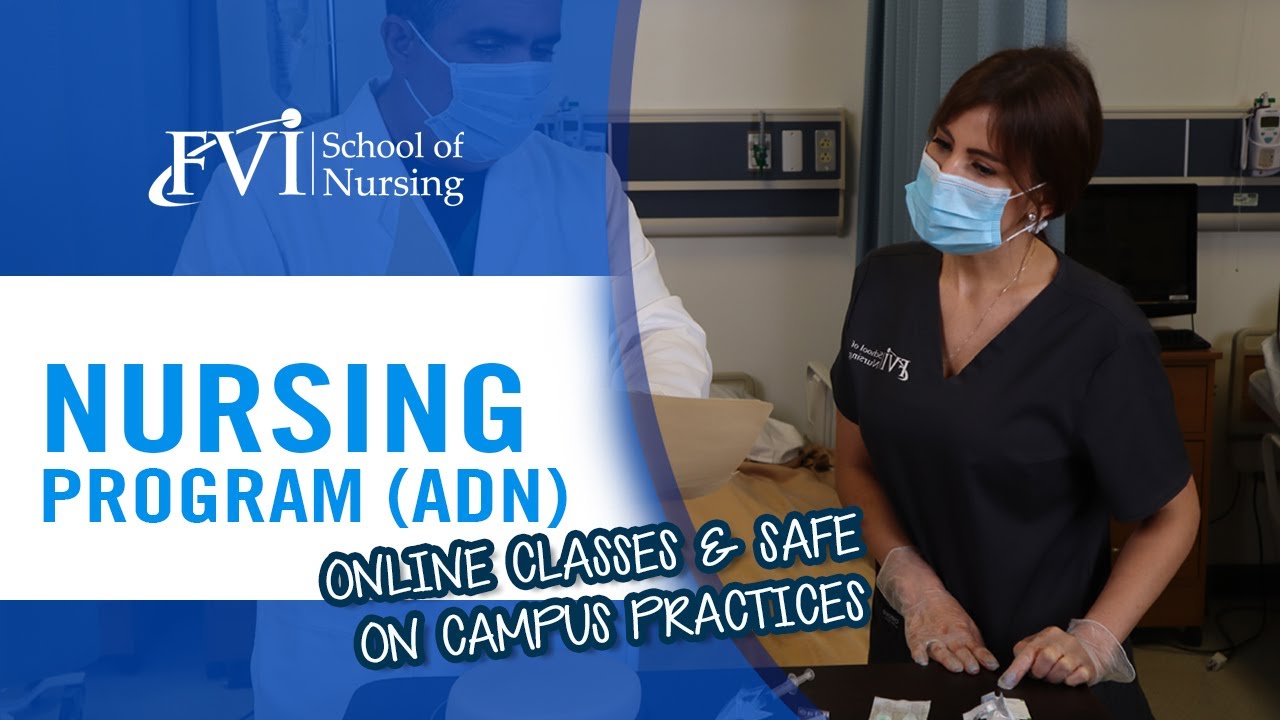
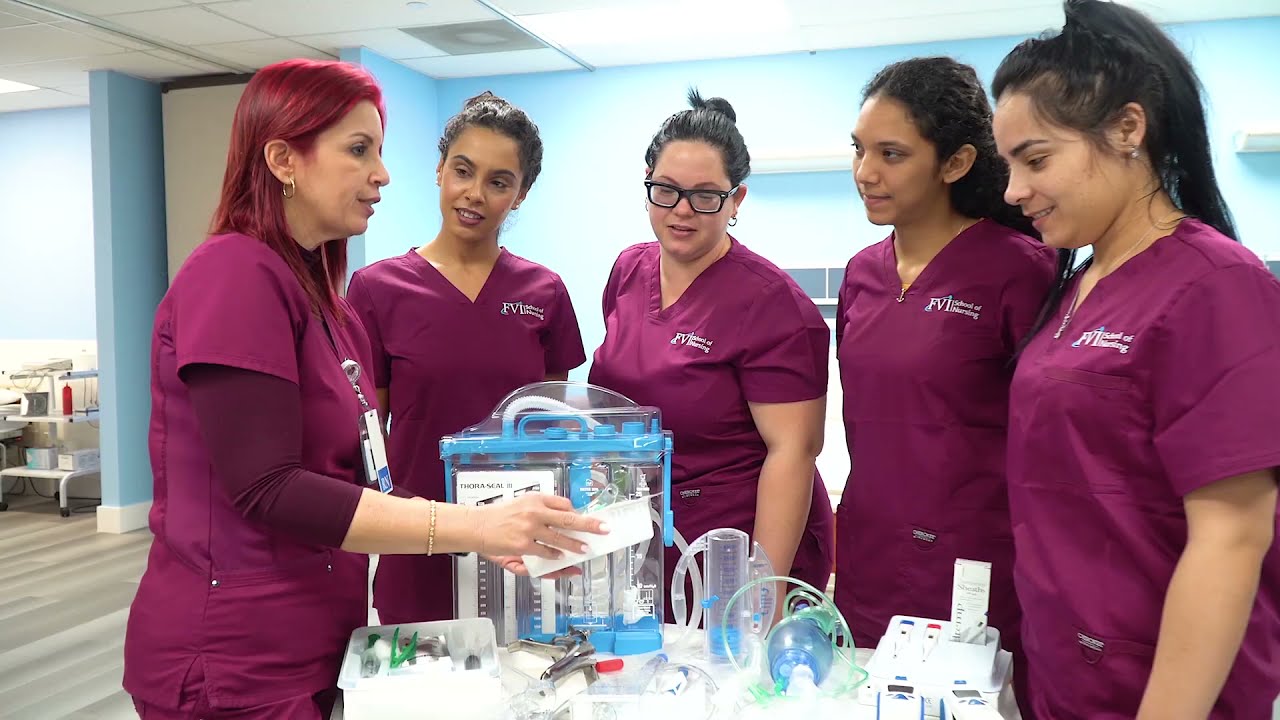
FVI School of Nursing and Technology has helped many international medical graduates pursue RN licensure through our ASN nursing program for foreign doctors in Miami and Miramar. The 22-month program builds on your existing medical knowledge with hands-on training, clinical experience, and focused NCLEX-RN preparation resources.
-
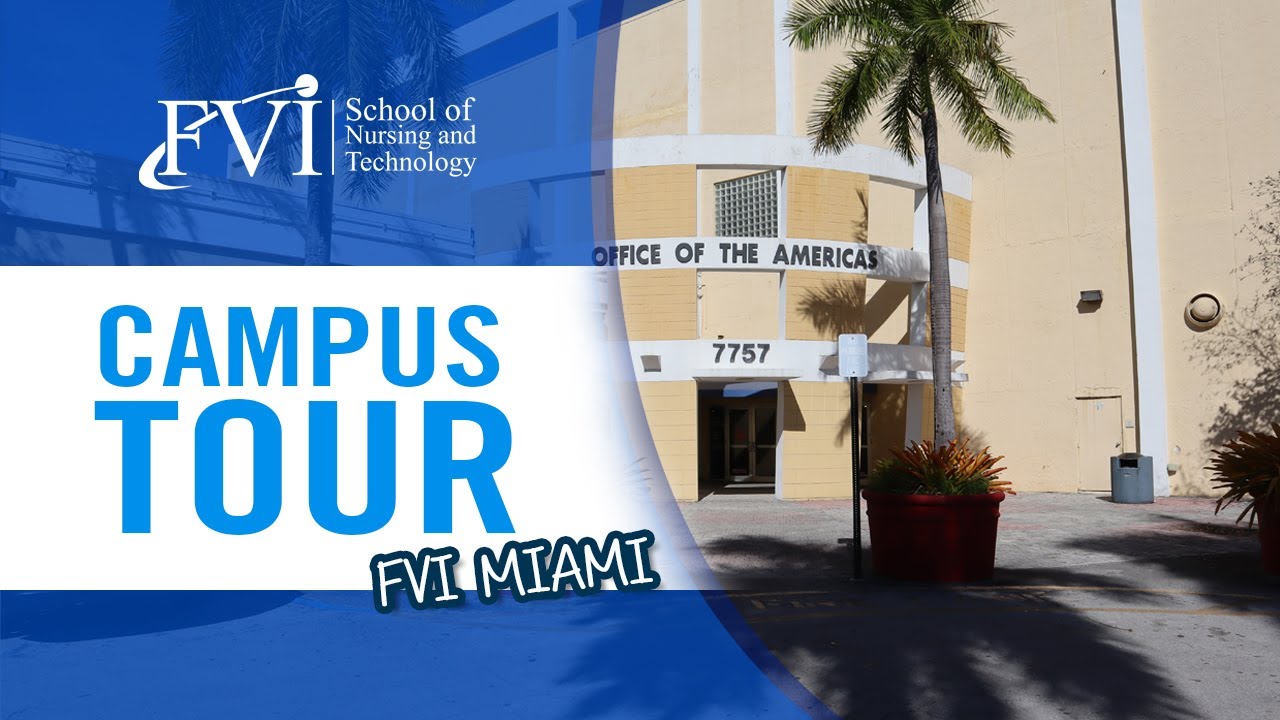
- Two South Florida campuses: Learn about FVI’s Miami nursing school and Miramar nursing school.
-
- Associate of Science in Nursing (ASN) degree program: The program can be completed in 22 months, allowing foreign-trained physicians to return to patient care more quickly than traditional four-year BSN programs.
-
- NCLEX preparation built into the curriculum: FVI provides NCLEX review and support resources to help students prepare for the licensing exam.
-
- Support for international students: FVI provides guidance on student visas and other assistance for international students. Our admissions team can help you understand F-1 visa requirements and documentation.
-
- Hands-on clinical training: The program includes supervised clinical rotations in real healthcare settings, giving you practical experience and helping you build confidence in the nursing role.
-
- Small class sizes with personalized attention: FVI’s student-centered approach means you receive individual attention from faculty who are committed to your success.
-
- Career services support is available.
-
- Financial aid may be available for students who qualify.
If you want to talk through your goals and see whether an RN pathway fits your timeline, the admissions team at FVI can help you understand requirements and enrollment steps. Contact us to learn more.